

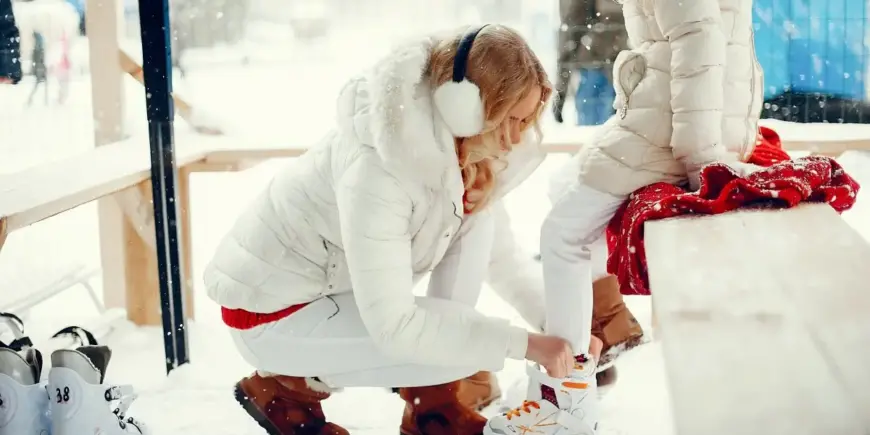
Winter brings a unique rhythm to childhood shorter days, cozy indoors, and simple joys like warm clothes and hot cocoa. At Little Feet Montessori, we turn seasonal changes into learning by adding winter practical life activities to our routine. These activities combine seasonal context with skill-building tasks that nurture independence, coordination, and real-life understanding.
Why Practical Life Matters Most in Winter
Montessori practical life focuses on daily tasks that build independence and care for self and the environment. Practical life in Montessori teaches independence and care for oneself and the environment. In winter, these skills grow stronger as children learn to dress for the cold, manage winter gear, help with cleanup, and adapt to seasonal changes. These activities foster confidence and real-world skills while supporting the Montessori goal of self-reliance.
The Montessori approach centers on practical life, where everyday tasks build independence and care for self and the environment. In winter, these skills grow as children dress for the cold, manage snow gear, help with cleanup, and adjust to seasonal changes.
Examples of Montessori Winter Practical Life at Little Feet Montessori
Here are a few classic winter-ready tasks we incorporate when outside play or cold weather requires indoor adaptation:
- Dressing Practice: Children learn independently to put on winter coats, boots, scarves, gloves and hats. This supports fine motor skills, sequencing, and independence — essential elements of Montessori practical life.
- Snow Gear Care: After outdoor walks or play, children help clean boots, wipe off snow, brush outerwear, and store items properly. This routine builds responsibility and an understanding of caring for personal belongings. Inspired by winter-practical life ideas like washing boots or wiping windows.
- Winter Table & Snack Preparation: Making warm drinks like hot cocoa, pouring milk/water, stirring, serving snacks — all are winter-friendly practical life tasks. These activities teach measurement, coordination, and self-service.
- Indoor Pouring/Transferring Work: Using sensory trays filled with “snow” substitutes — cotton balls, white pom-poms, or rice — children scoop, spoon or transfer, refining hand-eye coordination and concentration even indoors. Many Montessori-winter suggestions follow the same transfer/spooning concept.
How These Activities Support Growth
1. Independence & Self-Care: By mastering dressing routines and self-service tasks, children build confidence and autonomy. They learn to manage themselves even when weather is cold or challenging.
2. Coordination & Motor Skills: Tasks like putting on boots, pouring, transferring, and cleaning help refine both gross and fine motor skills — valuable for later writing, self-care, and coordination.
3. Sense of Responsibility & Order: Storing winter gear properly and cleaning up teaches children respect for their environment and care for shared spaces — a core Montessori value.
4. Sensory Awareness & Preparation: Working with textures (cotton “snow”, water, mittens), managing temperature differences, and understanding seasonal changes helps children observe, adapt and respect their environment.
5. Lifelong Skills & Real-World Readiness: These are practical skills children will use all their lives — dressing for weather, caring for belongings, preparing foods or drinks, cleaning — wrapped in child-appropriate Montessori tasks that build confidence and independence.
Bringing It Home: Winter Practical Life Tips for Families
Parents can mirror Montessori winter practical life at home with simple, meaningful tasks:
- Keep child-sized hooks or low shelves for coats and boots so children can hang and retrieve their items independently.
- Encourage children to dress themselves with mittens, hats, boots — give time and patience so they use the proper routine.
- Invite children to help with winter cleanup — wiping floors, cleaning shoes, wiping windows, folding scarves — building care and order.
- Create a “winter pouring tray” indoors with safe materials — snow-like cotton balls, spoons, bowls — for transferring or sensory play when outdoor time is limited.
These household routines reinforce the same values we nurture at school.
Conclusion
Embracing Montessori winter practical life at Little Feet Montessori transforms winter into a season of growth, independence, and meaningful learning. By providing hands-on tasks that mirror real life — dressing, cleaning, preparing, caring — we help children build confidence, coordination, and a sense of responsibility. In doing so, we ensure the Montessori spirit stays alive, even on the coldest days.
If you’re interested in seeing how winter transforms into practical life lessons for children, we invite you to visit our classrooms and explore these routines firsthand.

 Previous Post