

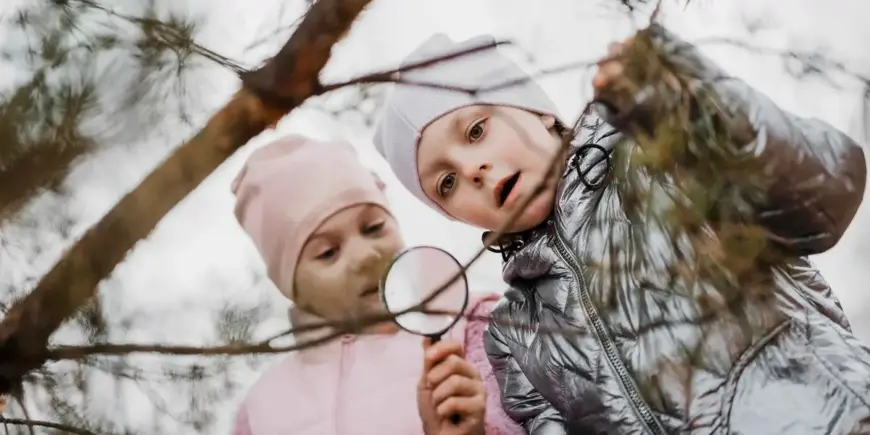
At Little Feet Montessori, learning does not exist in isolation from the world outside. Instead, it evolves with the seasons. Through Little Feet Montessori seasonal learning, children experience education that reflects real life—observing nature, responding to change, and engaging with their environment in meaningful, hands-on ways.
Seasonal learning aligns naturally with the Montessori philosophy. Children are inherently curious about weather, plants, animals, and cultural rhythms. By connecting learning to seasonal changes, we support deeper understanding, relevance, and joy in the learning process.
What Is Seasonal Learning in a Montessori Environment?
Seasonal learning means thoughtfully adapting classroom activities, materials, and experiences to reflect the time of year. At Little Feet Montessori, this approach ensures children stay engaged and connected to their surroundings while continuing to develop key skills.
Rather than themed crafts, Little Feet Montessori seasonal learning focuses on purposeful activities. Children explore seasonal vocabulary, practical life tasks, sensorial experiences, and real-world observations that naturally emerge as the year progresses.
How Seasonal Learning Is Integrated at Little Feet Montessori
Our classrooms are carefully prepared to reflect seasonal changes while maintaining Montessori structure and consistency. This integration happens across all areas of learning:
- Practical Life: Children practice season-appropriate self-care skills, such as dressing for colder weather, caring for indoor plants, or helping prepare seasonal snacks. These tasks build independence, coordination, and responsibility.
- Sensorial Learning: Seasonal materials—natural textures, colors, temperatures, and sounds—support sensory exploration and refinement. Children compare, sort, and observe changes in their environment.
- Language Development: New vocabulary emerges naturally through discussions about weather, nature, seasonal routines, and cultural celebrations.
- Math and Cognitive Skills: Counting seasonal objects, measuring ingredients, sorting by size or type, and sequencing seasonal events strengthen logical thinking and numeracy.
Through Little Feet Montessori seasonal learning, children see learning as relevant and connected to their daily experiences.
Benefits of Seasonal Learning for Young Children
Seasonal learning supports holistic development in several important ways:
- Stronger Engagement: Children remain motivated because learning reflects what they see and experience outside the classroom.
- Deeper Understanding: Concepts become more meaningful when linked to real-world seasonal changes.
- Emotional Regulation: Predictable seasonal rhythms help children feel grounded and secure.
- Independence and Confidence: Children gain confidence as they master practical skills tied to real-life seasonal needs.
- Respect for Nature: Seasonal learning fosters awareness, care, and appreciation for the natural world.
At Little Feet Montessori, these benefits support our goal of nurturing capable, curious, and independent learners.
Partnering With Families Through the Seasons
Little Feet Montessori seasonal learning extends beyond the classroom. Families are encouraged to continue seasonal exploration at home—whether through nature walks, simple seasonal routines, or child-led observations. This consistency between school and home strengthens learning and supports children emotionally and academically.
Our educators also keep families informed through regular communication, helping parents understand how seasonal changes influence learning and development.
Why Seasonal Learning Matters at Little Feet Montessori
Seasonal learning is not an add-on—it is an intentional part of how we support children’s growth. By honoring the natural rhythms of the year, we help children stay connected, curious, and engaged.
At Little Feet Montessori, seasonal learning ensures that education feels alive, relevant, and joyful. Each season brings new opportunities to explore, reflect, and grow—guiding children toward lifelong learning rooted in real-world understanding.

 Previous Post