

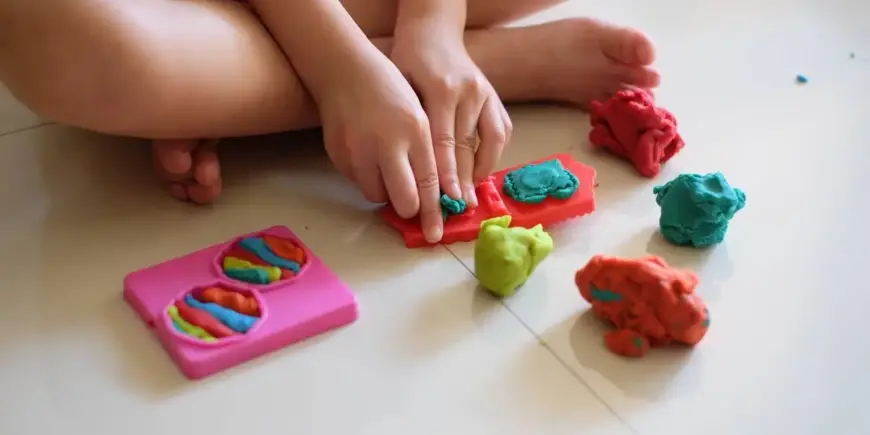
At Little Feet Montessori we encourage early childhood learning through exploration and discovery. We integrate rich Montessori sensory activities into our curriculum to help children engage their senses and build focus. These experiences are far more than play—they are purposeful opportunities for development.
Why Sensory Experience Matters
Sensory exploration is vital for young learners. Engaging with various textures, sounds, movements, and visual cues supports cognitive growth, fine motor coordination, and emotional regulation. Montessori sensory activities teach children to notice differences, make comparisons, and refine perception—skills for reading, writing, and math.
How Little Feet Montessori Designs Sensory Activities
Our Toddler and Casa Bambino programs include thoughtfully prepared environments with materials and tasks that invite children to interact intentionally. At Little Feet Montessori, Montessori sensory activities might include:
- Texture and sound trays that invite children to sort materials by feel or listen for subtle differences.
- Water and sand activities where children transfer, sift, or pour materials, strengthening hand-eye coordination and concentration.
- Our toddler curriculum includes visual discrimination tasks like matching colours and comparing sizes and shapes.
- During nature walks, children explore the environment, observe plants and insects, and discover through direct experience.
We design each activity around Montessori sensory principles, using materials that are self-correcting, engaging, and meaningful. Children choose their task, work independently, and return the material—fostering focus, confidence, and responsibility.
Benefits of Montessori Sensory Activities
- Enhanced Concentration: By focusing on one material or task at a time, children develop deep attention spans that benefit all learning areas.
- Refined Coordination: Hands-on manipulation of materials builds fine motor control—preparing children for writing, cutting, and practical life tasks.
- Cognitive Development: Sorting by texture, size, or sound strengthens comparison, classification, and reasoning—early building blocks for mathematics and logic.
- Emotional Regulation: When children engage in sensory work independently and successfully, they gain confidence, self-control, and a sense of mastery.
- Independence & Autonomy: Children selecting and managing sensory tasks build their inner drive to learn and take ownership of their learning journey.
Bringing Sensory Learning to Home
Parents can support sensory growth by replicating elements of Montessori sensory activities at home. Simple ideas include:
- A small tray of materials like rice, beans, and small scoops for transferring.
- Nature walks where children collect leaves or rocks and sort them by texture or size.
- A water station with child-sized tools for pouring, transferring, and cleaning.
These home activities mirror the school’s approach and reinforce the Montessori sensory activities philosophy.
Why This Matters at Little Feet Montessori
We believe that meaningful sensory experiences are not extras—they’re essential.In our school, teachers thoughtfully design every classroom to provide materials, space, and guidance for exploration. Children engage with tasks at their own pace, under the gentle guidance of our teachers, who understand the value of sensory-rich work. This approach aligns with our mission to create independent, curious, and capable learners.
Conclusion
Incorporating Montessori sensory activities at Little Feet Montessori allows children to engage deeply with their world—through touch, sight, hearing, and movement. By doing so, we build a foundation of concentration, coordination, independence, and joy in learning. If you’re looking for a school that values sensory exploration as much as academics, explore our programs and see how young minds truly thrive in our environment.

 Previous Post