

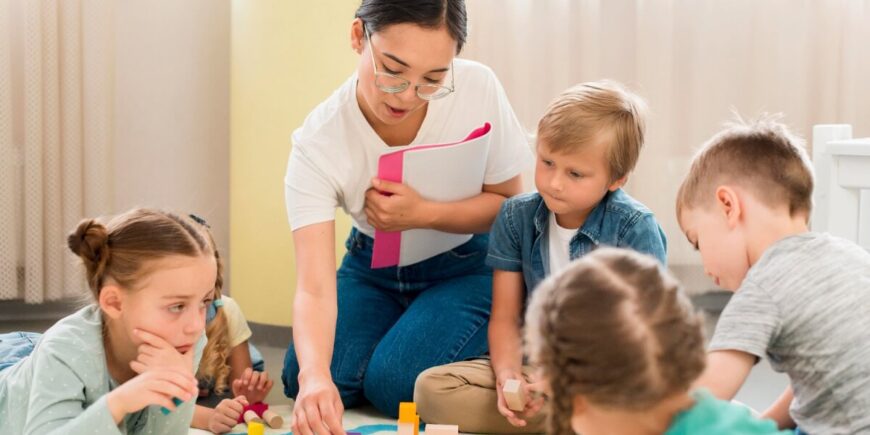
At Little Feet Montessori School, we believe in the profound impact of modeling behavior, values, and attitudes through the “Do As I Do” approach. As parents and educators, we are our children’s first and most influential teachers. Children observe the world around them with open eyes and absorb lessons not only from what we say but also from our actions, embodying the “Do As I Do” philosophy.
In this blog, we will explore the Montessori philosophy of leading by example, how it shapes children’s development, and how parents can practice this approach at home. We will also address common questions parents have about fostering consistency between home and school.
Why Modeling Matters in Montessori Education
Dr. Maria Montessori famously observed, “Children imitate what they see.” In a Montessori environment, we intentionally model behaviors that reflect kindness, respect, and curiosity. This approach goes beyond instruction—it creates a living example for children to follow naturally.
1. Setting the Standard for Respect
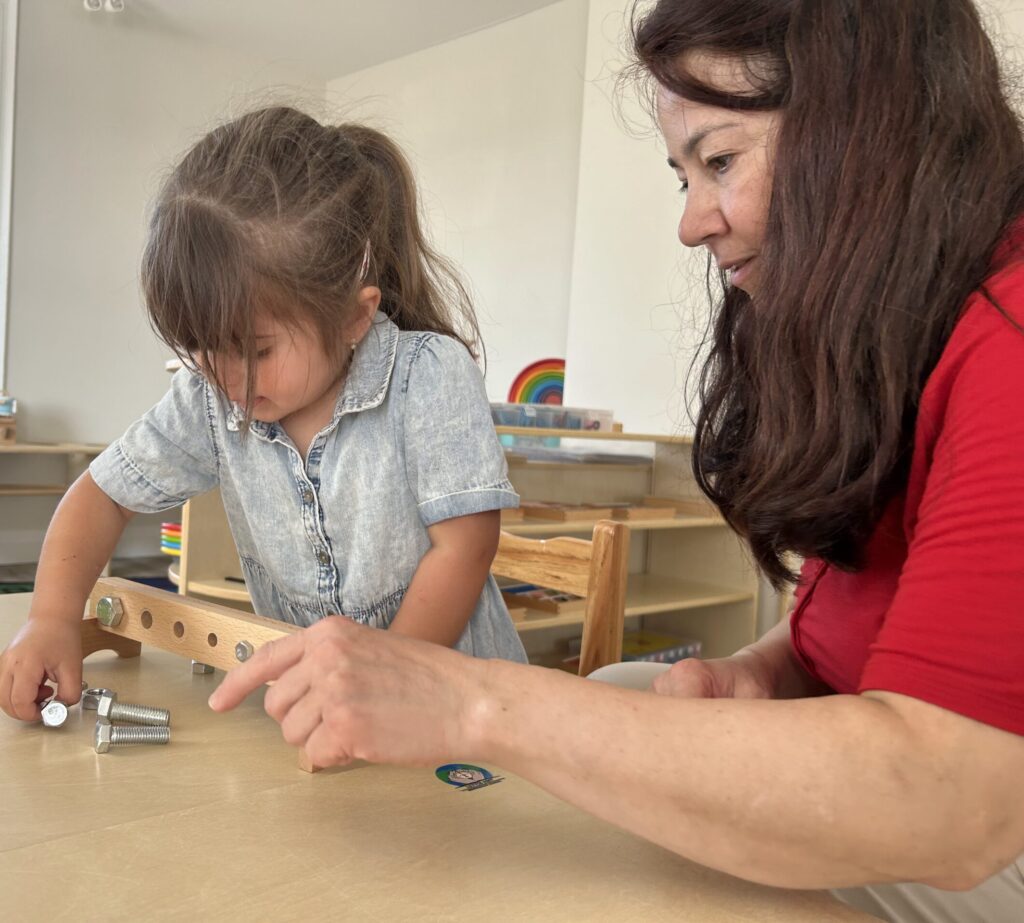
Children in a Montessori classroom learn respect by witnessing it in action. Teachers greet students warmly, use polite language, and handle materials with care. This modeling sets a foundation for how children treat others and their surroundings.
2. Demonstrating Independence
At Little Feet Montessori, educators demonstrate how to complete tasks step by step, whether it’s tying a shoelace, preparing a snack, or cleaning a spill. By seeing the process, children gain the confidence to try it themselves.

3. Cultivating Emotional Intelligence
We model how to navigate emotions by naming feelings and offering appropriate responses. For example, a teacher might say, “I feel frustrated when things don’t go as planned. I’m going to take a deep breath.”
How Parents Can Model Montessori Values at Home
The lessons children learn at school can be reinforced at home through simple, intentional practices that embody the “Do As I Do” philosophy. Here are some tips for leading by example:
1. Practice What You Preach
Children notice inconsistencies. If we ask them to tidy up but leave our own messes behind, they’re less likely to take the instruction seriously. Modeling the behavior you want to see ensures alignment between your words and actions.
2. Show Respect for the Child’s Efforts
Instead of rushing in to correct mistakes, let your child try, fail, and learn. Say, “I see you worked hard on that puzzle. Let’s figure out where this piece goes together,” to model patience and collaboration.
3. Model Curiosity and Learning
Let your child see you reading, exploring new skills, or solving problems. Share your excitement about discovery with phrases like, “I didn’t know that! Let’s find out together.”
4. Speak and Act Calmly
Children often mirror our emotional states. Staying calm in challenging moments teaches them how to regulate their emotions. Use phrases like, “Let’s take a moment to breathe and think about what we can do.”
5. Engage in Everyday Activities Together
Involve children in your daily routines. Folding laundry, cooking meals, or gardening together shows them how tasks are completed with care and attention.
Frequently Asked Questions (FAQ)
1. How can I reinforce Montessori practices at home?
Consistency is key. Start with small actions that mirror Montessori principles:
- Encourage independence by letting your child dress themselves or prepare their snacks.
- Use respectful language and model problem-solving skills.
- Maintain a calm and organized environment.
2. What if I make a mistake in front of my child?
Mistakes are opportunities to model growth. Acknowledge your error and demonstrate accountability by saying, “I made a mistake. I’m sorry for raising my voice. Let’s try to solve this calmly.”
3. How do I handle screen time while modeling Montessori principles?
Montessori emphasizes hands-on, real-world experiences. To balance screen time:
- Set an example by limiting your own device use.
- Replace screen time with engaging activities like puzzles, books, or outdoor play.
- When screens are used, choose educational or creative content and watch together to foster connection.
4. My child doesn’t always listen. How can modeling help?
Children often test boundaries, but consistent modeling reinforces expectations. Rather than repeating commands, show the desired behavior and invite participation. For instance, start picking up toys and say, “Let’s clean up together.”
5. Can modeling work for older children too?
Absolutely. While younger children learn primarily through observation, older children are also influenced by your actions. Modeling perseverance, empathy, and open communication sets a lifelong example.
The Ripple Effect of Leading by Example
At Little Feet Montessori School, we’ve seen the transformative power of modeling firsthand. Children flourish when they see the adults in their lives embody the principles they are asked to follow. It’s a simple yet profound way to shape their character and nurture their potential.
Key Takeaways for Parents:
- Children learn by watching, not just listening.
- Align your actions with your words to foster trust and understanding.
- Be patient with yourself—modeling is an ongoing journey of growth and learning.
Let’s Build the Foundation Together
At Little Feet Montessori, we are committed to guiding children in a way that inspires them to become thoughtful, independent, and compassionate individuals. By working together, parents and educators can create a consistent environment that supports children’s growth, both in school and at home. For more resources and tips, visit littlefeetmontessori.com. Let’s continue to model the way for the next generation.

 Previous Post